
Smart Glass vs. Blinds and Shades: How the Two Approaches Compare
Two Ways to Control Light: Regulating vs. Blocking
Blinds, shades, and curtains sit inside or over a window as a separate physical layer. When closed, they block the light path entirely.
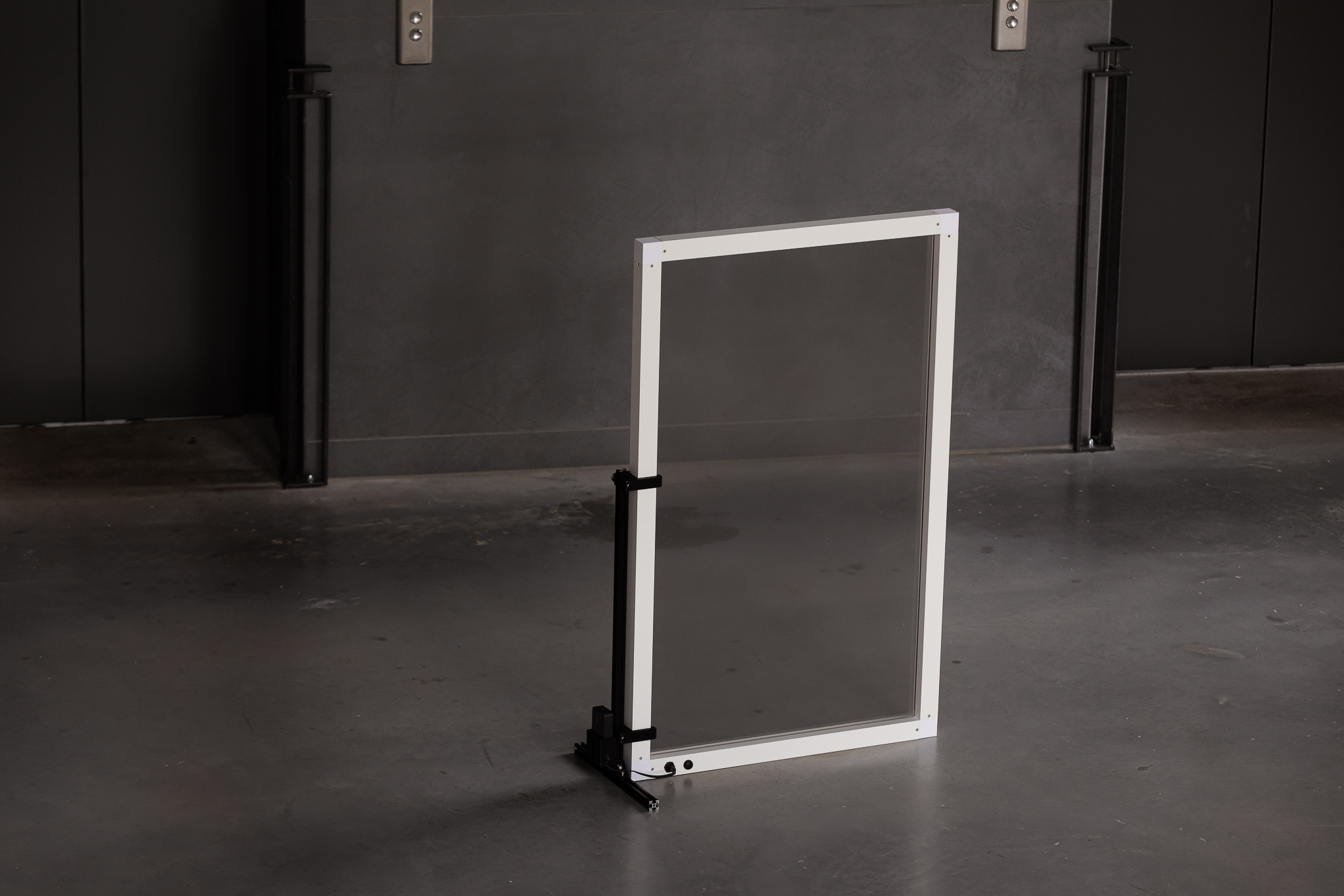
Smart glass takes a different approach. The glazing changes tint in response to an electrical signal, adjusting how much light passes through without the need for a separate mechanical layer. ELM (Electrophoretic Light Modulation) is one technology in this category. For a deeper look at how it works, see our Technology page.
Both approaches solve the same problem: improving comfort by regulating glare, heat, and privacy. But there are fundamental differences in how they perform and what they cost.
Glare and Daylight Control
Blinds and shades block light effectively, but they do not regulate the light transmission uniformly.
Smart glass tints in stages, so a space can stay bright and glare-controlled without losing the connection to outside. A comparative study of two office rooms, one fitted with electrochromic windows and the other with standard low-e glazing, found that occupants in the electrochromic room reported greater satisfaction with glare control, since the windows reduced indoor brightness while preserving views, as cited in a multi-season workplace assessment of dynamic glass published in Energies.
Energy Performance
Energy outcomes depend both on the technology and how a shading system is actually used.
The same multi-season workplace study found that switching from manual blinds to dynamic glazing produced a 91% reduction in simulated lighting energy use, largely because the glazing didn’t rely on occupants remembering to adjust it, as reported in the Energies workplace assessment referenced above.
Manual override is a recurring theme in the research. A five-month field study across 40 Dutch offices found that occupants who kept blinds on automatic mode used substantially less energy for heating and cooling than manual users, but most building occupants eventually switched the automatic mode off entirely over the course of the study, according to a field study on the impact of blinds usage on energy consumption.
Maintenance and Lifespan
Blinds and shades have moving mechanical parts: motors, cords, slats, or fabric that wear down and eventually need repair or replacement over time.
Smart glass is integrated into the glazing unit itself, so there’s no cord or slat mechanism to service. For more on that, see our Technology page.
Aesthetics and Views
Because smart glass tints rather than obstructs, it keeps sightlines intact at every tint state. That matters most in spaces where the view is part of the value: offices, hospitality lobbies, healthcare waiting areas, and museums.
Blinds and shades, by contrast, fully obstruct the view once lowered, which is sometimes exactly what’s needed (a home theater, a private meeting room).
Comparison at a Glance
| Smart glass | Blinds and shades | |
| Glare and light control | Tints in stages, keeps the view intact | Blocks both light and view when lowered |
| Energy impact | Can reduce lighting and cooling loads without the need for occupant action. | Occupant action needed to be effective. |
| Moving parts | Integrated into the glazing unit, nothing to wear out | Relies on motors, cords, and slats that wear over time |
| View to outside | Kept at almost everytint state | Cut off once closed |
| Certification credits | Recognized in BREEAM, LEED, and WELL | Recognized in BREEAM, LEED, and WELL |
Both are recognized shading methods in BREEAM, LEED, and WELL, though each system has its own requirements to document.
Which Should You Use?
For new builds and retrofits, smart glass tends to win on long-term comfort and reduced reliance on occupant behavior. Blinds and shades remain the lower-upfront-cost option and are still useful for spaces needing full blackout.Many buildings use both: smart glass for everyday glare and heat management, with blinds or curtains layered in for spaces that occasionally need to go fully dark.
Where eclipse™ glazing fits
eLstar’s ELM technology is designed to deliver the staged, neutral tinting described above without the residual color cast some switchable technologies introduce. Because the glazing responds automatically rather than requiring an occupant to remember to adjust it, it sidesteps the manual-override problem documented in the workplace studies above by design. eclipse ‘s high dynamic range (achieving down to 0.2% light transmission when closed, negates the need for additional blinds or curtains. For architecture and residential applications specifically, see our Architects and Residential pages.
F.A.Q.
Can smart glass fully block light like blackout blinds? Not to the same degree. Smart glass reduces visible light transmission significantly at its darkest tint state, but it isn’t designed to achieve full blackout. Spaces that need complete darkness, like home theaters or certain hospital patient rooms, typically still pair smart glass with a blackout shade.
Do smart glass and blinds work well together? Yes. It’s a common combination in spaces that need everyday glare control most of the time, but full blackout occasionally.
Does switching to smart glass eliminate the need for window treatments? In many commercial applications, yes. In residential settings, it depends on privacy and blackout requirements for specific rooms, like bedrooms and bathrooms.
How does maintenance frequency compare over a building’s lifetime? Blinds have mechanical parts that wear down over years of use and need periodic replacement. Smart glass has no moving parts to service, though its control electronics may need occasional inspection.
See which approach fits your project
Whether smart glass, blinds, or a combination of both makes sense depends on the space, the budget, and how much you want performance to depend on occupant behavior. Get in touch with eLstar to talk through your project, or visit our Architects or Residential pages to see how eclipse™ glazing fits into projects like yours.